(Issue #522) Reflecting. Learning. Appreciating.


And just like that, 2010 flew by. And so did 2011, 2012…2019….

On May 31, 2010, I ventured into the blogosphere. At that time, I had three goals:

  • Experience a new(for me) aspect of social media (remember, it was 2010)
  • Develop and flesh out new ideas
  • Provide something of value—not just another cyber rant.

Ten years of weekly blogging later, it has been a permanent part of my life. Regardless of “situations,” the posts have appeared every Sunday since that first offering in 2010.

While most of my context has involved the learning and teaching dynamic, each post has addressed the theme of growth and resilience. Positive and uplifting thought provokers. At least that has been my goal.

As I looked back through a few of those posts, I noted weak signals for what was to come. Or, I should say, what has arrived.  Take my first post (Issue #1. “Social Media: Know When and How to Use It.” Inspired by a program I had co-facilitated in Austin, Texas, I smile now reading two of the points I made then:

*People are interested in SKYPE. The ability to video conference (two people) computer to computer for FREE and with good quality is attractive.  Audio conferencing with more than twenty people at a time is also available. One participant yesterday was excited about the prospect of using this technology to connect with students on various campuses.

 **Social media is not a fad. It is not going away.  We should do what we can to help shape the discussion about appropriate uses of the technology for teaching and learning.  This is important for the classroom and the boardroom.

Like so many weak signals, the observations seem obvious now.

Issue #400 (“Do We Live in as Post-Fact World”) asked the readers to

…remember the question, “If a tree falls in the forest and no one hears it, did it make a sound?”

Have we evolved/devolved to a time when the question to ponder has become, “If a fact is offered and no one ‘likes’ it, is it a fact?”  How do we combat this? Can we combat this? How do we train and coach teachers to do this so their students live in a truth-based world?

Indeed.

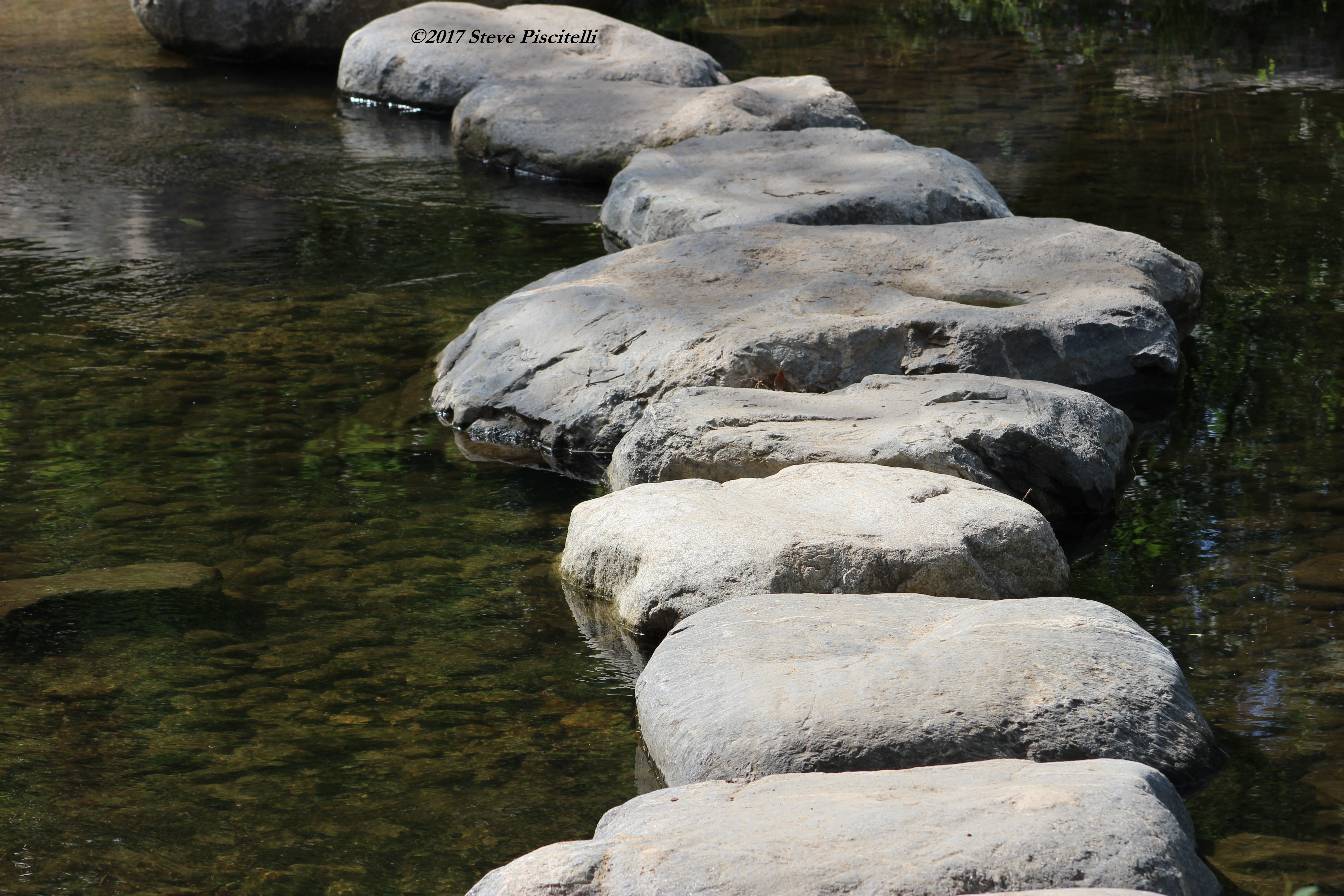
As I move into the 11th year of The Growth and Resilience Network® Blog, I ask that we all take a moment and contemplate milestones and what they have meant to our lives—and what they will mean. Here is what I wrote in Issue #100 (“Milestones: Endpoints or Checkpoints”):

For me, milestones remind me of the possibilities in life.  They ARE those markers (like mile markers on the highway) that guide us.  They are something to shoot for. But they are not the end of the journey.  Key West may appear to be the end with mile marker “0”.  All that means is that we can adjust course and head east…or hop on a boat and continue west to Ft. Jefferson.  Mile markers mark the progress along the journey.  They are not the end of the line.

Where is your next mile marker…and the next…and the next…?

Thank you for reading, commenting on, and sharing my blog posts over the years. I appreciate your company on the journey. On to the next mile marker…and the next…and the next.


Video Recommendation for the Week

One quick look at the year 2010 and some of its milestones.  As the video shares: “and just like that, 2010 flew by.”

And so did 2011, 2012…2019….

Appreciate every moment.


Make it a great week and HTRB has needed.

My new book has been released.
eBook ($2.99) Paperback ($9.99). Click here.

Roxie Looks for Purpose Beyond the Biscuit.
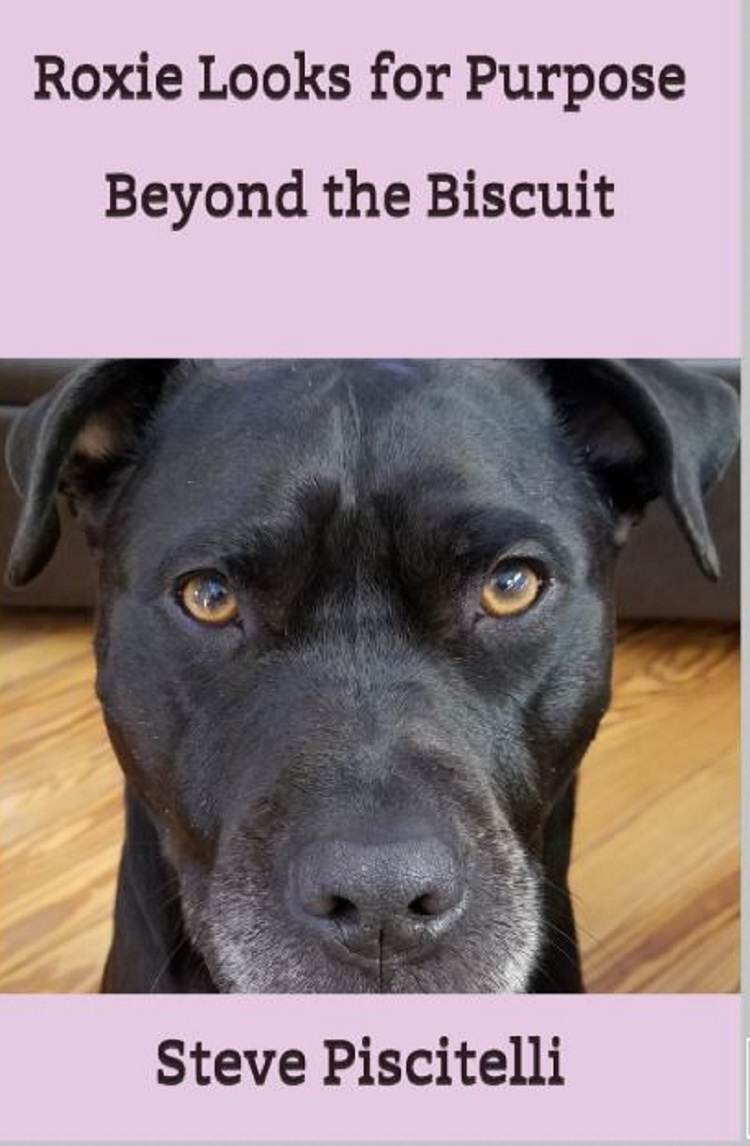
Well, actually, my dog Roxie gets top billing on the author page for this work. Without her, there would be no story.
Click here for more information about the book.

In the meantime, check out her blog.

And you can still order:

  • My book, Community as a Safe Place to Land (2019), (print and e-book) is available on More information (including seven free podcast episodes that spotlight the seven core values highlighted in the book) at www.stevepiscitelli.com.
  • Check out my book Stories about Teaching, Learning, and Resilience: No Need to be an Island (2017). It has been adopted for teaching, learning, and coaching purposes. I conducted (September 2019) a half-day workshop for a community college’s new faculty onboarding program using the scenarios in this book. Contact me if you and your team are interested in doing the same. The accompanying videos would serve to stimulate community-building conversations at the beginning of a meeting.

My podcasts can be found at The Growth and Resilience Network®.

You will find more about what I do at www.stevepiscitelli.com.

©2020. Steve Piscitelli
The Growth and Resilience Network®
 

Posted in Appreciation, Life lessons | Tagged , , , , | 4 Comments

(Issue #521) Sunrise, Clouds, and the News


Some people and groups focus on the darkness and what might happen.
Others ignore warning signs and
look only at what they consider to be brightness.

First, the sunrise.

I have found the best time to view sunrise on the beach comes about fifteen or twenty minutes before the sun pops out of the water. That is when nature’s spotlight of orange, pink, and yellow tints streaks across the sky. Intense and vibrant.

Photo by Steve Piscitelli

Add clouds to the mix, and the textures magnify the spectacle. Whether Cirrus, Stratus, or Cumulus, they add drama and beauty to the scene.  Combined with the sun’s colors, nature provides a fabric we can almost feel.  The clouds add to the story.  Rather than distracting, they provide more context for the hours ahead.

Photo by Steve Piscitelli

Now for the news.

Last week, I saw a piece on the news (read about it, too) about airline passengers, masks, and seating assignments.  The piece showed overcrowding (read: no social distancing) and inconsistent mask usage. The reporter helped paint a dire picture with words.

These were the clouds if you would allow the metaphor.

Even with the dramatic decrease in airline flights due to the pandemic, I wondered how representative this news was of flights in general.  Maybe it was. Maybe not.

I do not know how many flights flew in the country that day.  Maybe I missed the stories about the flights that had a better experience for its passengers. But we did not get those rays of sunshine.

The highlighted flights do have lessons to which we need to pay attention. So do the flights that have no or minimal incidents.

Why concentrate (solely) on the clouds? Why not take in more of the view and see the bright spots?

Some people and groups focus on the darkness and what might happen. Others ignore warning signs and look only at what they consider to be brightness.

And there are those amongst us who embrace both.

Photo by Steve Piscitelli


Video Recommendation for the Week

I shot this video on a sunrise ocean kayak paddle in Atlantic Beach, Florida.  Take it all in. The blue sky, colors, clouds, reflections, and the water. Oh, and don’t miss the pod of dolphins just off my bow. I would have missed them if all I did was focus on the clouds (or colors, or reflections).


Make it a great week and HTRB has needed.

My new book has been released.
eBook ($2.99) Paperback ($9.99). Click here.

Roxie Looks for Purpose Beyond the Biscuit.

Well, actually, my dog Roxie gets top billing on the author page for this work. Without her, there would be no story.
Click here for more information about the book.

In the meantime, check out her blog.

And you can still order:

  • My book, Community as a Safe Place to Land (2019), (print and e-book) is available on More information (including seven free podcast episodes that spotlight the seven core values highlighted in the book) at www.stevepiscitelli.com.
  • Check out my book Stories about Teaching, Learning, and Resilience: No Need to be an Island (2017). It has been adopted for teaching, learning, and coaching purposes. I conducted (September 2019) a half-day workshop for a community college’s new faculty onboarding program using the scenarios in this book. Contact me if you and your team are interested in doing the same. The accompanying videos would serve to stimulate community-building conversations at the beginning of a meeting.

My podcasts can be found at The Growth and Resilience Network®.

You will find more about what I do at www.stevepiscitelli.com.

©2020. Steve Piscitelli
The Growth and Resilience Network®
 

Posted in Life lessons | Tagged , , , , , , , | 3 Comments

(Issue #520) What Will Change?


Yes, a lot has changed. How, though, have you used that change
to exact needed change in your life for good? How has the time helped your resilience?

Even though a lot has changed in the last two months, what has really changed?  That is, when a greater distance exists between the pandemic and where we stand, what will change in your life going forward. How will your approach to life be different?

I stumbled on a video I made for my students in 2011. It was a mid-semester checkup on their progress towards their respective dreams.

I used the three-step strategy:  Stop. Keep. Start.  And I thought about how those steps apply to our situation now.

Photo by Steve Piscitelli

STOP

During the past two months (and those to come as we go through various phases of “re-opening”), many (most) have had to STOP the standard ways of connecting in business, school, church, and relationships. We had to adopt and adapt strategies to earn a living, engage in community service, and continue formal education.  Much has been made about the amount time people spend at home.

So, in a sense, we have been forced to STOP the way we typically do things. The pause has created a time to think and act anew. A time for re-evaluation about what we value.

KEEP

 Have you developed new ways of doing things that you plan to (think you will) continue to do. What new ritual have you developed that you plan on staying with even when all is back to “normal.”  Maybe it is a new workout routine, or an activity you have started with your family.  For those who have been “Zooming” on video calls, perhaps you have found a new and efficient way to do business if only on occasion. What were you forced to do in this time of exigencies, that you will KEEP because they have the power for good in your life moving forward?

START

Can you think of some things you had to curtail, that you no longer miss because you enjoy what you have put in their place. Maybe you found that the old habits created obstacles for growth. Maybe you found the time to revisit an old project that had been neglected or begin a journey that you had not considered before. And then there are the things you have missed that you cannot wait to START again. They have taken on a new meaning for you. You will treasure them more than you ever have.

Photo by Steve Piscitelli

Yes, a lot has changed. How, though, have you used that change to exact needed change in your life for good? How has the time helped your resilience?


Video Recommendation for the Week

Here is the video I mentioned above.


Make it a great week and HTRB has needed.

My new book has been released.
eBook ($2.99) Paperback ($9.99). Click here.

Roxie Looks for Purpose Beyond the Biscuit.

Well, actually, my dog Roxie gets top billing on the author page for this work. Without her, there would be no story.
Click here for more information about the book.

In the meantime, check out her blog.

And you can still order:

  • My book, Community as a Safe Place to Land (2019), (print and e-book) is available on More information (including seven free podcast episodes that spotlight the seven core values highlighted in the book) at www.stevepiscitelli.com.
  • Check out my book Stories about Teaching, Learning, and Resilience: No Need to be an Island (2017). It has been adopted for teaching, learning, and coaching purposes. I conducted (September 2019) a half-day workshop for a community college’s new faculty onboarding program using the scenarios in this book. Contact me if you and your team are interested in doing the same. The accompanying videos would serve to stimulate community-building conversations at the beginning of a meeting.

My podcasts can be found at The Growth and Resilience Network®.

You will find more about what I do at www.stevepiscitelli.com.

©2020. Steve Piscitelli
The Growth and Resilience Network®

 

Posted in Life lessons | Tagged , , , , , , , | 1 Comment

(Issue #519) Lessons From A Dragon And His Friend


Can we look to a time when we will be able to wipe away the tears,
emerge from the cave, and once again play along the cherry lane?

Working out to an “Oldies” playlist, I heard the dulcet voices of Peter, Paul, and Mary singing about their favorite dragon. Taking a moment to listen (and stop grunting), the words (especially their final verse) gave me pause.

Was it about loss of friendship, childhood, connection, and innocence. If so, it wasn’t the happy bouncy song I thought I remembered.

Or was it about friendship, exploration, creativity, joy, interconnectedness, and a world built on uplifting “what ifs”?

I pulled up the song on YouTube (see the first Video Recommendation for the Week below) and listened some more. I read comments about the emotion it conjured. And the love for the song some 55 years after its recording.

One comment on the video page caught my attention with a new perspective.  It was a final verse not in the original song.  I am not sure of the origin.   In the second Video Recommendation for the Week below, Peter Yarrow actually draws from these words at the end of the clip.

Puff the Magic Dragon walked out on the Strand.
He looked down and there he saw footprints in the sand.
A voice said Mr. Dragon, please don’t be so sad.
My name is Jenny Paper. I was sent here by my dad.

Perhaps it is a song about the future, hope, mentorship, and childhood regained through a generation to come.  About passing along memories and lessons.

About a legacy of connection that cannot and should not be lost.

In this time of pandemic, lockdowns, loss of life, and unimagined dislocations, can we look to a time (in the near future) when we will be able to wipe away the tears, emerge from the cave, and once again play along the cherry lane?

For our health and the well-being of our generations to come, how can we not?


Video Recommendation for the Week

  1. Peter, Paul, and Mary perform “Puff the Magic Dragon” in 1965.
  2. Peter Yarrow gives the song some context and a different twist at the end.

Make it a great week and HTRB has needed.

My new book has been released.
eBook ($2.99) Paperback ($9.99). Click here.

Roxie Looks for Purpose Beyond the Biscuit.

Well, actually, my dog Roxie gets top billing on the author page for this work. Without her, there would be no story.
Click here for more information about the book.

In the meantime, check out her blog.

And you can still order:

  • My book, Community as a Safe Place to Land (2019), (print and e-book) is available on More information (including seven free podcast episodes that spotlight the seven core values highlighted in the book) at www.stevepiscitelli.com.
  • Check out my book Stories about Teaching, Learning, and Resilience: No Need to be an Island (2017). It has been adopted for teaching, learning, and coaching purposes. I conducted (September 2019) a half-day workshop for a community college’s new faculty onboarding program using the scenarios in this book. Contact me if you and your team are interested in doing the same. The accompanying videos would serve to stimulate community-building conversations at the beginning of a meeting.

My podcasts can be found at The Growth and Resilience Network®.

You will find more about what I do at www.stevepiscitelli.com.

©2020. Steve Piscitelli
The Growth and Resilience Network®


Posted in Life lessons | Tagged , , , , | 2 Comments

(Issue #518) Ever Consider a Low-Bad Diet?


“Just about every measure of human well-being has improved
except for one: hope.

The healthier we become, the gloomier our worldview.”
—John Tierney and Roy F. Baumeister—

 Pause on the above quote for a moment. Let it sink it. What do you think creates the disconnect?

In their recent book, The Power of Bad: And How to Overcome It, Tierney and Baumeister attribute the seeming contradiction to the negativity effect. Some call it negativity bias, negativity dominance, or positivity discounting. Whatever the concept label, research shows that people have an irrational impulse to consider one (negative) thing and ignore the broader (more positive) picture.

We catastrophize  as we fixate on a single negative event while discounting the positives that surround us. The negative has such and impact that it will override one, two, or three uplifting actions. There is a great deal of good around us—but how often does the focus goes to the bad?

Crisis mongers know this and seize on it. How many times does the “news” start with a “Breaking News Alert!”? (Often.)  And how many times is that “Breaking News Alert!” about a positive story? (Seldom.) Or a politician grabs hold of an isolated event only to use it as “evidence” that our world is threatened. Our discomfort provides an opening of opportunity for the crisis monger. More emphasis on the threat creates fear, which brings about more coverage and anxiety.

Tierney and Baumeister remind us that “The Merchants of Bad” (found in news, politics, and social media, for instance) want us to fret and squirm. Regardless of the good, they focus on the bad. And they have found a power in bad. They focus, we shake.

Research speaks of the (again, according to the authors) Rule of Four: It takes (roughly speaking) four positive things to overcome one negative turn of events. When confronted with a “bad” (an insult, a broken promise, an unkind word, an action), any previous “good” is more than likely to be overshadowed. A mental health counselor told me that the rule can be as high as 6 to 1 when it comes to marital issues. One transgression can wipe out a half-dozen well-intentioned actions.

A Russian proverb holds that “a spoonful of tar can spoil a barrel of honey, but a spoonful of honey does nothing for a barrel of tar.”

It takes a lot more “good” to overcome a “bad,” then it does for a “bad” to wipe out all the preceding “good.” It interferes with life. It has an impact on hope. We end up fixating on one negative of the past or the unknown what if of the future. We end up on a runaway train of negativity and lose touch with the present. Especially the good in the present.

Be a discerning and critical thinker as you read about bad. It has real power to override the good that surrounds us daily.

The authors suggest we place ourselves on a low-bad diet. For instance, “when politicians and pundits are assailing each other, switch channels. If you try to follow the Rule of Four by watching four uplifting stories for every bad one, you’ll spend a lot less time on all-news stations.”

Add more honey. Limit the tar.


Video Recommendation for the Week

Sometimes we need to stop, breathe, and contextualize. Here is a simple breathing exercise to help focus on the breath, if only for a few seconds to regain our bearings. It is a Zen technique called Breath Counting.


Make it a great week and HTRB has needed.

My new book has been released.
eBook ($2.99) Paperback ($9.99). Click here.

Roxie Looks for Purpose Beyond the Biscuit.

Well, actually, my dog Roxie gets top billing on the author page for this work. Without her, there would be no story.
Click here for more information about the book.

In the meantime, check out her blog.

And you can still order:

  • My book, Community as a Safe Place to Land (2019), (print and e-book) is available on More information (including seven free podcast episodes that spotlight the seven core values highlighted in the book) at www.stevepiscitelli.com.
  • Check out my book Stories about Teaching, Learning, and Resilience: No Need to be an Island (2017). It has been adopted for teaching, learning, and coaching purposes. I conducted (September 2019) a half-day workshop for a community college’s new faculty onboarding program using the scenarios in this book. Contact me if you and your team are interested in doing the same. The accompanying videos would serve to stimulate community-building conversations at the beginning of a meeting.

My podcasts can be found at The Growth and Resilience Network®.

You will find more about what I do at www.stevepiscitelli.com.

©2020. Steve Piscitelli
The Growth and Resilience Network®


Posted in Life lessons | Tagged , , , , | 4 Comments

(Issue #517) Rule of 30


Tomorrow we find out if we are better than we were.
Today we create our tomorrow.

So, what have you been doing during the “Safer at Home” stage of life (or whatever your locality may call it) you now find yourself in? Cleaning closets? (Check!) Organizing the garage? (Check!) Learning what six feet actually looks like? (Check!) Or maybe you have pulled out some old projects that you tucked away because you didn’t have the time to complete/deal with them. Now you do.

One of my old projects that I dusted off (and old it is…20+ years) is a novel manuscript.  It needs major surgery. Despite its many shortcomings at this stage, I have had fun re-reading the pages and getting to know the characters again.

One of them, Gracie, describes her philosophy of life as the Rule of 30. At this point in the novel, her and her husband are in their forties. In her words:

We got twenty, thirty years left? Maybe we only got ten left.
Why we bustin’ our asses for someone else?
Life ain’t gonna wait for us. We need to grab it.

Gracie and her husband have dreams, and they had been ignoring their dreams. Until they didn’t. Until they realized life, obviously, gets a shorter each day we close our eyes. What we put off, we may never do/see/feel/experience/achieve/enjoy.

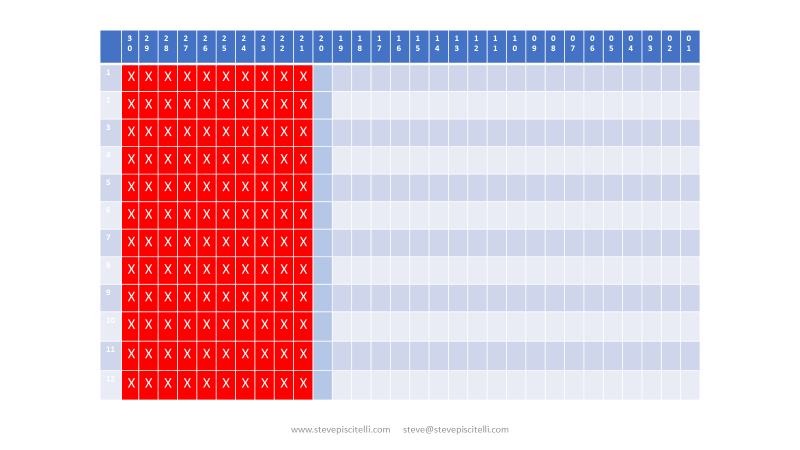
Let’s put the Rule of 30 into a visual.

Consider the following graphic. You look to the future and say, “Got plenty of time to save for retirement/get the dream job/build a family/ [you fill in the blank].”  With the table below, you are standing on the far left. Looking at the 30 years in the future—the “plenty of time.”

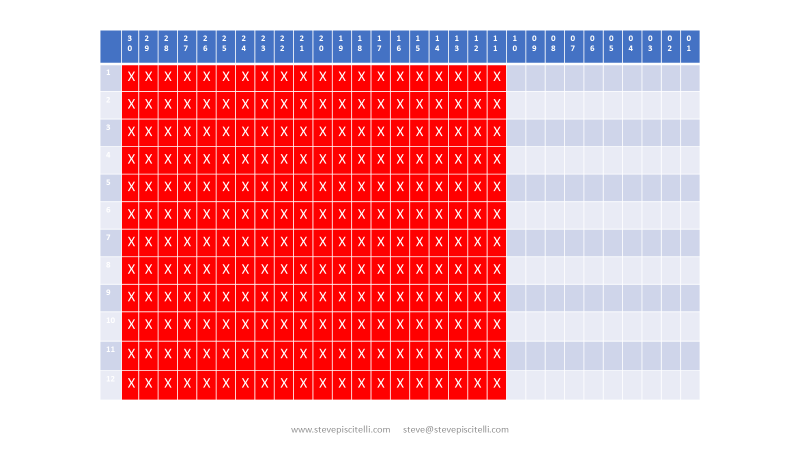
So, you figure, I got a lot of time. And then, the following happens (the red indicates years that “pass us by”):

Life happens. And twenty-five years pass…and the dream is still in the future. And then 30…and then…..

For sure, there are reasons. Some extenuating and poignant. Others, mere excuses.

We all have opportunities and obstacles as we journey to our dreams. It’s what we do with each of those that creates our story.

Tomorrow we find out if we are better than we were.

(NOTE: If 30 years out is just too much to get your head around, try 30 days. What do you need to accomplish in 30 days?)


Video Recommendation for the Week


Make it a great week and HTRB has needed.

My new book has been released.
eBook ($2.99) Paperback ($9.99). Click here.

Roxie Looks for Purpose Beyond the Biscuit.

Well, actually, my dog Roxie gets top billing on the author page for this work. Without her, there would be no story.
Click here for more information about the book.

In the meantime, check out her blog.

And you can still order:

  • My book, Community as a Safe Place to Land (2019), (print and e-book) is available on More information (including seven free podcast episodes that spotlight the seven core values highlighted in the book) at www.stevepiscitelli.com.
  • Check out my book Stories about Teaching, Learning, and Resilience: No Need to be an Island (2017). It has been adopted for teaching, learning, and coaching purposes. I conducted (September 2019) a half-day workshop for a community college’s new faculty onboarding program using the scenarios in this book. Contact me if you and your team are interested in doing the same. The accompanying videos would serve to stimulate community-building conversations at the beginning of a meeting.

My podcasts can be found at The Growth and Resilience Network®.

You will find more about what I do at www.stevepiscitelli.com.

©2020. Steve Piscitelli
The Growth and Resilience Network®


Posted in Life lessons | Tagged , , , , , | 2 Comments

(Issue #516) Perspective  


“We have the ability to either give into our misery and pain and die.
Or absorb the physical pain and keep our mentality, our soul….”
—Aaron Elser

Comparatory suffering comes fraught with problems. It can be a cliched way to make someone feel better. “It could be worse,” also, can be dismissive of the person in front of you and her problem or challenge. A dead end for conversation or the healing process.

At times, though, thoughtful contrast of a given situation with another may help shift to a healthier perspective.

As I type, our nation (the world) is in the throes of a pandemic. Our community, like so many others (see…a bit of comparison there…), have seen daily routines turned upside down and inside out.  For instance, the rhythms of life have transitioned from mobility to shelter in place.

Photo by Steve Piscitelli @ Atlantic Beach, Florida.

I’ve heard people say they are bored, or miss their workplace, or struggle to get online and stay engaged with their children’s school classes. Some miss their families who live in other states. And, some have understandable concerns about a family member’s wellbeing.

Each brings a different perspective.

A recent 60 Minutes episode, “Talking to the Past,” explored memories and experiences of Holocaust survivors.  All of the stories spoke to horror—and resilience.  One of the interviewees, Aaron Elser (spelling?), shared how, when the Nazi’s came for his family, his father sent him running into a sewer to escape. He was nine years old. He made it to a neighbor’s home where they sheltered him for two years. In their attic. He existed there with only one visit a day (food was brought to him).

How did he survive the fear and loneliness? In his words, “We have the ability to either give into our misery and pain and die. Or absorb the physical pain and keep our mentality, our soul….”

Beyond perhaps fear and anxiety, there is little comparison to what Mr. Elser, his family, and neighbors experienced and what those of us asked to shelter in place feel during this pandemic. His words shook me. They reminded that, yes, this could be worse. Much worse. He moved me back to a healthier perspective.


Video Recommendation for the Week

Click here for the CBS 60 Minutes segment mentioned above.  Mr. Elser’s comments can be heard in various parts of the episode.  Around 13:11 and again at 19:20 he talks of the separation from his family—and his determination.


Make it a great week and HTRB has needed.

My new book has been released.
eBook ($2.99) Paperback ($9.99). Click here.

Roxie Looks for Purpose Beyond the Biscuit.

Well, actually, my dog Roxie gets top billing on the author page for this work. Without her, there would be no story.
Click here for more information about the book.

In the meantime, check out her blog.

And you can still order:

  • My book, Community as a Safe Place to Land (2019), (print and e-book) is available on More information (including seven free podcast episodes that spotlight the seven core values highlighted in the book) at www.stevepiscitelli.com.
  • Check out my book Stories about Teaching, Learning, and Resilience: No Need to be an Island (2017). It has been adopted for teaching, learning, and coaching purposes. I conducted (September 2019) a half-day workshop for a community college’s new faculty onboarding program using the scenarios in this book. Contact me if you and your team are interested in doing the same. The accompanying videos would serve to stimulate community-building conversations at the beginning of a meeting.

My podcasts can be found at The Growth and Resilience Network®.

You will find more about what I do at www.stevepiscitelli.com.

©2020. Steve Piscitelli
The Growth and Resilience Network®

Posted in Life lessons | Tagged , , , , , , | 1 Comment

(Issue #515) Marbles


That got me thinking about a mindset for saving money.
Are we encouraged by punishment or reward?

Is losing your marbles beneficial or detrimental to your forward progress? In this case, I use marbles literally, not figuratively.

The authors of The Power of Bad: How the Negativity Effect Rules Us and We Can Rule It found that people “learn more and faster from punishment and reward…If you have to pick just one, the negative feedback stimulates learning faster than the positive.”

Which leads us to marbles for an example.

Consider two situations:

  • An empty jar into which a marble is placed for every right answer a student gives. She gets to keep the marble. Reward.
  • A jar full of marbles. For every wrong answer, a marble is pulled out of the jar. Punishment.

The authors found the students learned faster when they lost a marble.

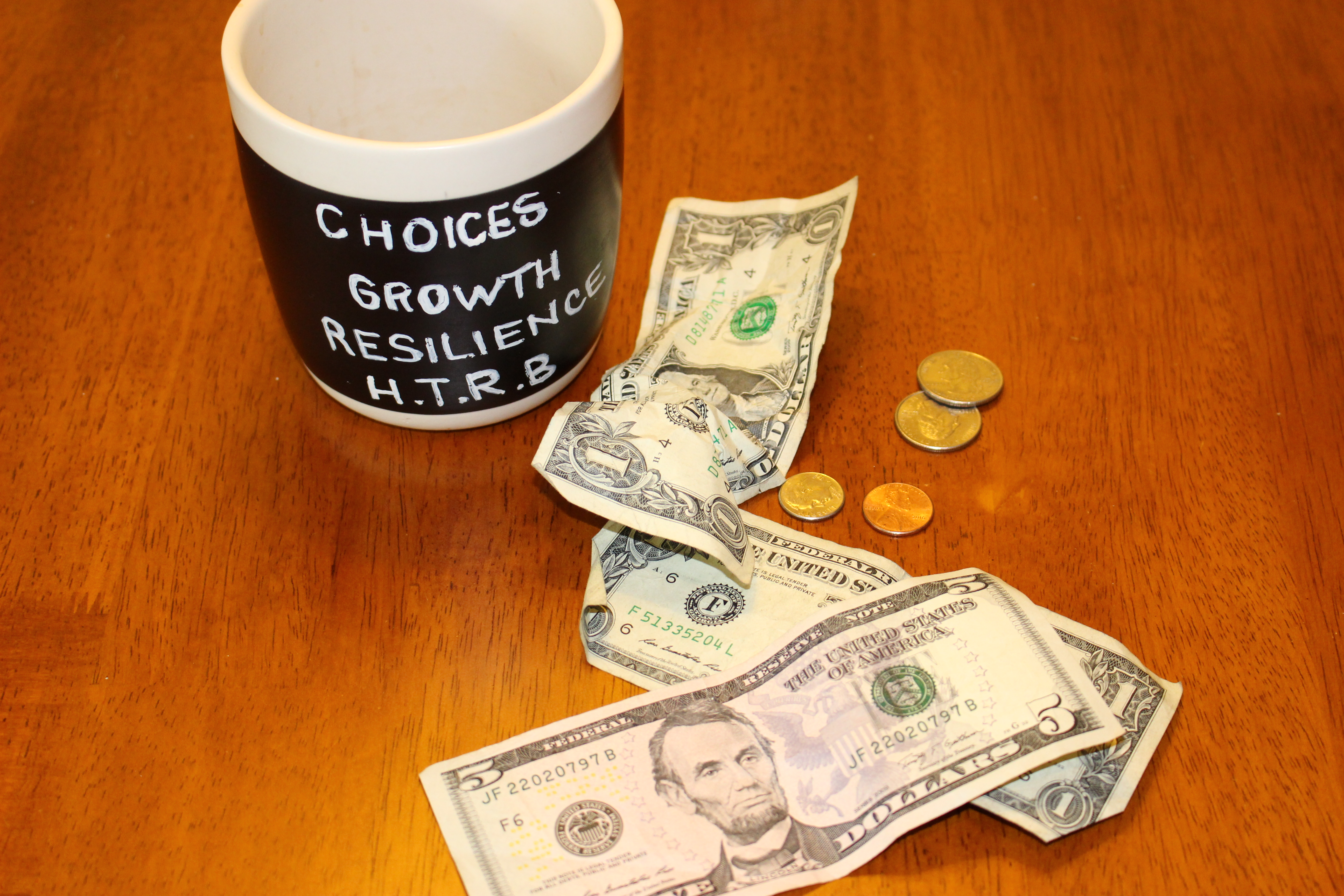
Photo by Steve Piscitelli

That got me thinking about a mindset for saving money.  Are we encouraged by punishment or reward? Would we save more (in the long-run) if we started with a fully-funded investment (marbles already in the jar) and focused on not losing the money?  (Not a likely starting point for most people I know.)  Maybe, instead of fully-funded, we start with the investments we have built over the last ten years. At this point, it represents our full jar. Would we be inspired and continue to put away even more money–or just make sure we did not lose any money?

Or do we accrue more wealth starting from zero (the empty jar) and continually add dollars, thereby growing the investment (marbles in the jar)?

Obviously, this depends on a lot of factors (such as discretionary income level, personal discipline, debt level, unforeseen events, or tolerance for risk).

Last week I found a one-page spreadsheet I had created nine years ago (2011).  On the left side of the page were the dates of my, then, bi-weekly paychecks. Across the top of the table were seven column labels. One was for a debt we owed, four were for different savings vehicles, and one was labeled “fun account” (the money we could use for our entertainment, dinners out, and the like). The seventh column was the total amount of money that went for all six allocations for each pay period.

Marbles going into the jar.

I do remember completing that table each pay day (constantly adding the “marbles”). I had an immense sense of satisfaction seeing the entries, and the growing the numbers in the last column.  Some weeks, one column or another got less than usual. There were a few negative entries (removing the “marbles”). That generally gave me pause and made me reflect.

I credit my mother with instilling the discipline of adding marbles to the jar.  That positive reinforcement has been with me for decades.  I learned early on to remove the marbles with care and thought.

Consider what works for you when it comes to a savings plan—and what short circuits your best intentions.

And check this past post regarding a demonstration I have performed to show how a penny can add up over time.

What have you done to not only gain but, also, keep from losing your marbles?


Video Recommendation for the Week

Listen to co-author of the Power of Bad, John Tierney, give a quick overview of the negativity effect. He speaks about a “low bad diet.”


Make it a great week and HTRB has needed.

My new book has been released.
eBook ($2.99) Paperback ($9.99). Click here.

Roxie Looks for Purpose Beyond the Biscuit.

Well, actually, my dog Roxie gets top billing on the author page for this work. Without her, there would be no story.
Click here for more information about the book.

In the meantime, check out her blog.

And you can still order:

  • My book, Community as a Safe Place to Land (2019), (print and e-book) is available on More information (including seven free podcast episodes that spotlight the seven core values highlighted in the book) at www.stevepiscitelli.com.
  • Check out my book Stories about Teaching, Learning, and Resilience: No Need to be an Island (2017). It has been adopted for teaching, learning, and coaching purposes. I conducted (September 2019) a half-day workshop for a community college’s new faculty onboarding program using the scenarios in this book. Contact me if you and your team are interested in doing the same. The accompanying videos would serve to stimulate community-building conversations at the beginning of a meeting.

My podcasts can be found at The Growth and Resilience Network®.

You will find more about what I do at www.stevepiscitelli.com.

©2020. Steve Piscitelli
The Growth and Resilience Network®

 

Posted in Discipline, financial literacy, Grit, habits | Tagged , , | 1 Comment

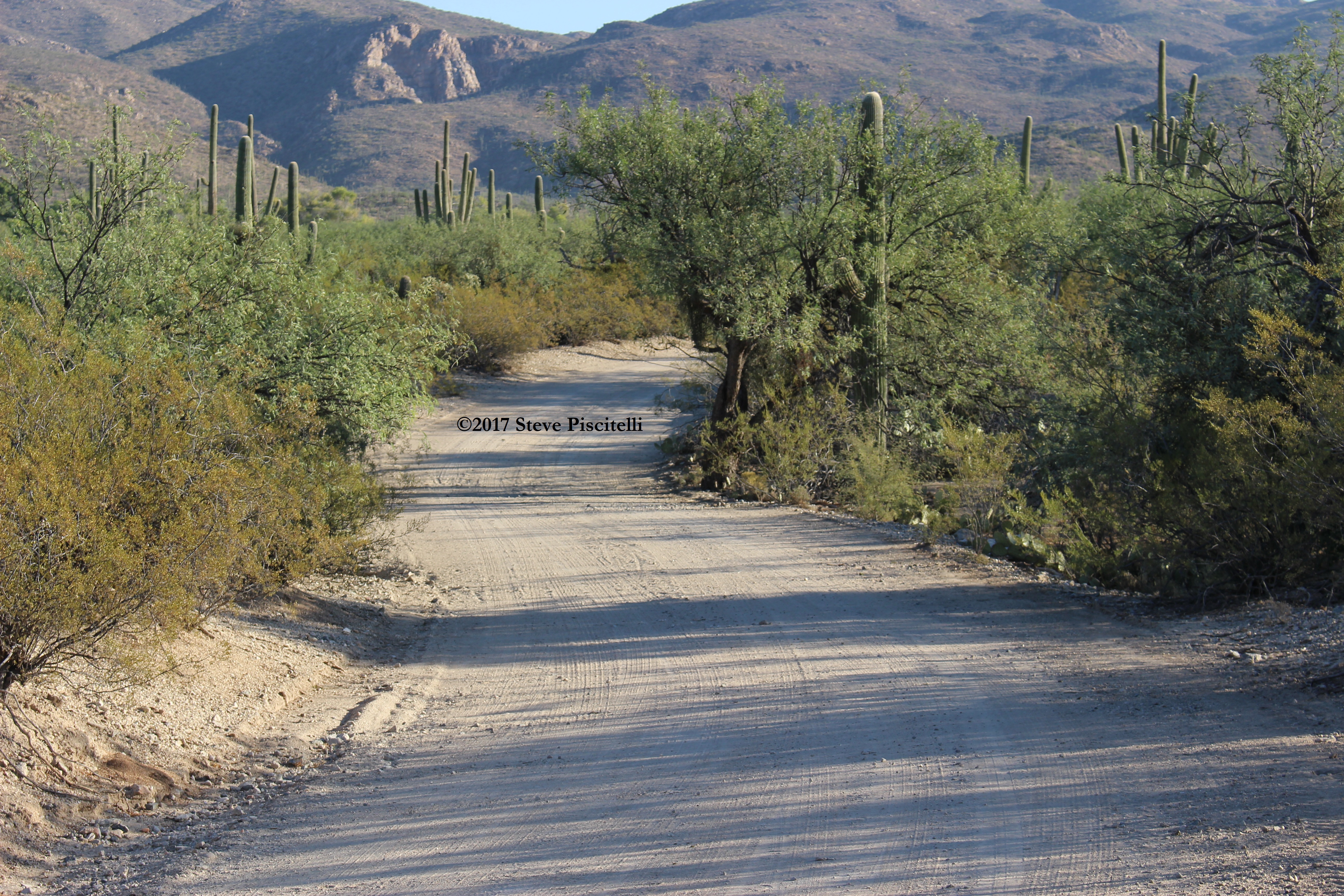
(Issue #514) Which Road?


 If you get sidetracked, what tools have you developed
to help you move toward your happiness?

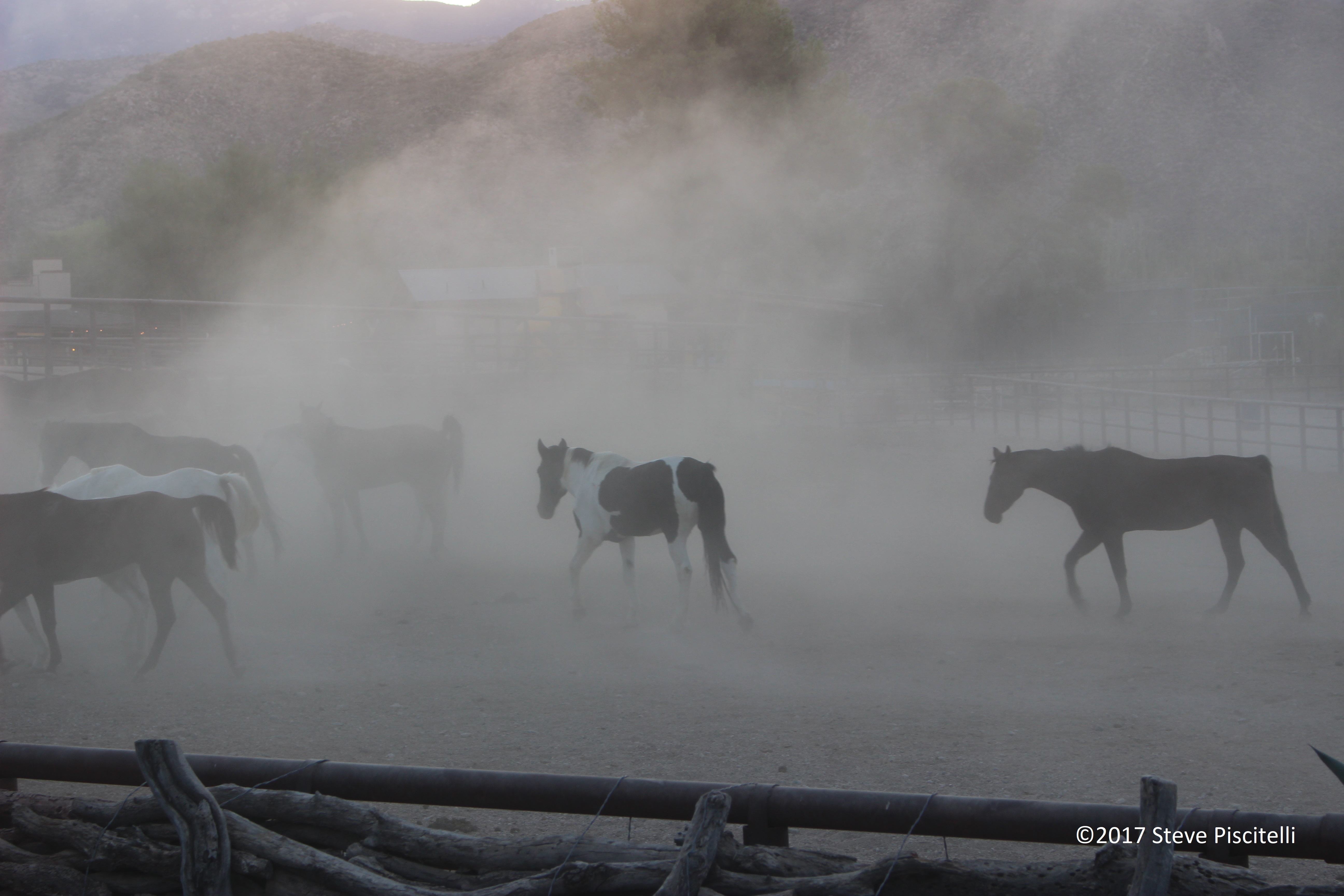
While participating in a guided mediation, I heard the words, “There is a highway to upset and a dirt road to happiness.” (Attributed to Tony Robbins.)

Love that metaphor. I don’t know about you, but it speaks to me. I’ve been on both roads—often.

Whether we attempt to deal with noise (the cacophony!) that bombards us or the angst that rises up within ourselves, that dirt road can become mud.

We get stuck; mired; angry; frightened; or discouraged. Happiness is a distant dream. And we just as quickly find ourselves on the highway speeding our way to upset.

You’ve read and heard about limiting the noise, breathing, seeking counsel, connecting with love, and taking care of yourself. That can sound great and, at the same time, only seem to be unhelpful Pollyanna words.

A powerful first step may be to notice which road you are on—or about to travel.  Are you sure you want to enter? If you get sidetracked to the fast lane of stress, angst, worry, and anxiety, what tools have you developed to help you exit and move toward your happiness? Who can help? What can help? What can you do?

As Wayne Dyer said, “I can choose peace rather than this.”

How will you go about that choice?


Video Recommendation for the Week

A quick two-plus minute video that may help you tap into some inner motivation.  In light of our title today, pay attention to the quote at the 1:55 mark of the video.


Make it a great week and HTRB has needed.

My new book has been released.
eBook ($2.99) Paperback ($9.99). Click here.

Roxie Looks for Purpose Beyond the Biscuit.

Well, actually, my dog Roxie gets top billing on the author page for this work. Without her, there would be no story.
Click here for more information about the book.

In the meantime, check out her blog.

And you can still order:

  • My book, Community as a Safe Place to Land (2019), (print and e-book) is available on More information (including seven free podcast episodes that spotlight the seven core values highlighted in the book) at www.stevepiscitelli.com.
  • Check out my book Stories about Teaching, Learning, and Resilience: No Need to be an Island (2017). It has been adopted for teaching, learning, and coaching purposes. I conducted (September 2019) a half-day workshop for a community college’s new faculty onboarding program using the scenarios in this book. Contact me if you and your team are interested in doing the same. The accompanying videos would serve to stimulate community-building conversations at the beginning of a meeting.

My podcasts can be found at The Growth and Resilience Network®.

You will find more about what I do at www.stevepiscitelli.com.

©2020. Steve Piscitelli
The Growth and Resilience Network®
Posted in assumptions, awareness, Choice | Tagged , , , , , , | 2 Comments

(Issue #513) Nosie: The Ear Of The Beholder


How do you tune out the noise and allow in the useful and timely?

Time to resurrect a post from three years ago this month. The topic: noise. And what we can do about it. It’s all around us and when we don’t pay attention it can overwhelm us.

Shawn Achor provides a useful four-point checklist to help identify and separate the noise from the useful. Perhaps you can use these as your path to noise cancellation.

Ask yourself, Achor proposes, if what you attend to (or what you endlessly speak about) is unusable, untimely, hypothetical, or distracting.  More specifically,

  1. Unusable. Will the information you continuously “take in/give out” change your behavior? If not, you are probably wasting time.

*Example. As I type this, our nation is in the grips of the virus pandemic. Every newscast tells you they have your back with facts not fear.  Ask yourself if watching two, three, or more hours of coverage of the virus is helping or hindering you. Is the amount of new information and usable information you get in that time changing your behavior? That is, are doing anything differently. Or does nothing change other than maybe the level of your anxiety. You could be self-medicating on Noise.

  1. Untimely. Will you use the information, now? Will it more than likely change in the future when you might use it?

*Example.  Is the situation so fluid that changes are expected, often? You hear, for instance, that tomorrow’s news briefing by the city leader will give more direction about what to expect. OK. Will all the speculation about tomorrow’s headline help you now? Does the speculation change by the hour—and will it change the leader’s briefing? Useful, timely—or Noise?

  1. Hypothetical. Do we focus on what “could be” rather than what “is”?

*Example. The pandemic is serious No doubt. There are valid concerns about social distancing, hand washing, and economic impacts. We are told to act with “an abundance of caution.” The scientists and doctors understand what can happen. They provide hypotheses for the immediate future based on their research and expertise. Others provide hypotheticals based on who knows what. Helpful or Noise? (And since hypotheticals can change, see numbers one and two above.)

  1. Distracting. Does the information deter you or stop movement toward your goals?

*Example. Your goals relate to your career, relationships, health, finances, intellectual development, emotional stability, and spiritual wellbeing.  How much of the onslaught of information you get hit with (and allow yourself to be hit with) relate to those goals? How much gets in the way of goal achievement?  And consider that what is distracting for one group (Noise), may be considered needed information by another. Again, consider a pandemic example. Not all people have been adhering to the suggested social distancing. Some do not feel at-risk. They find the warnings to be Noise.  Others, believe they are at-risk, and find the warnings usable.

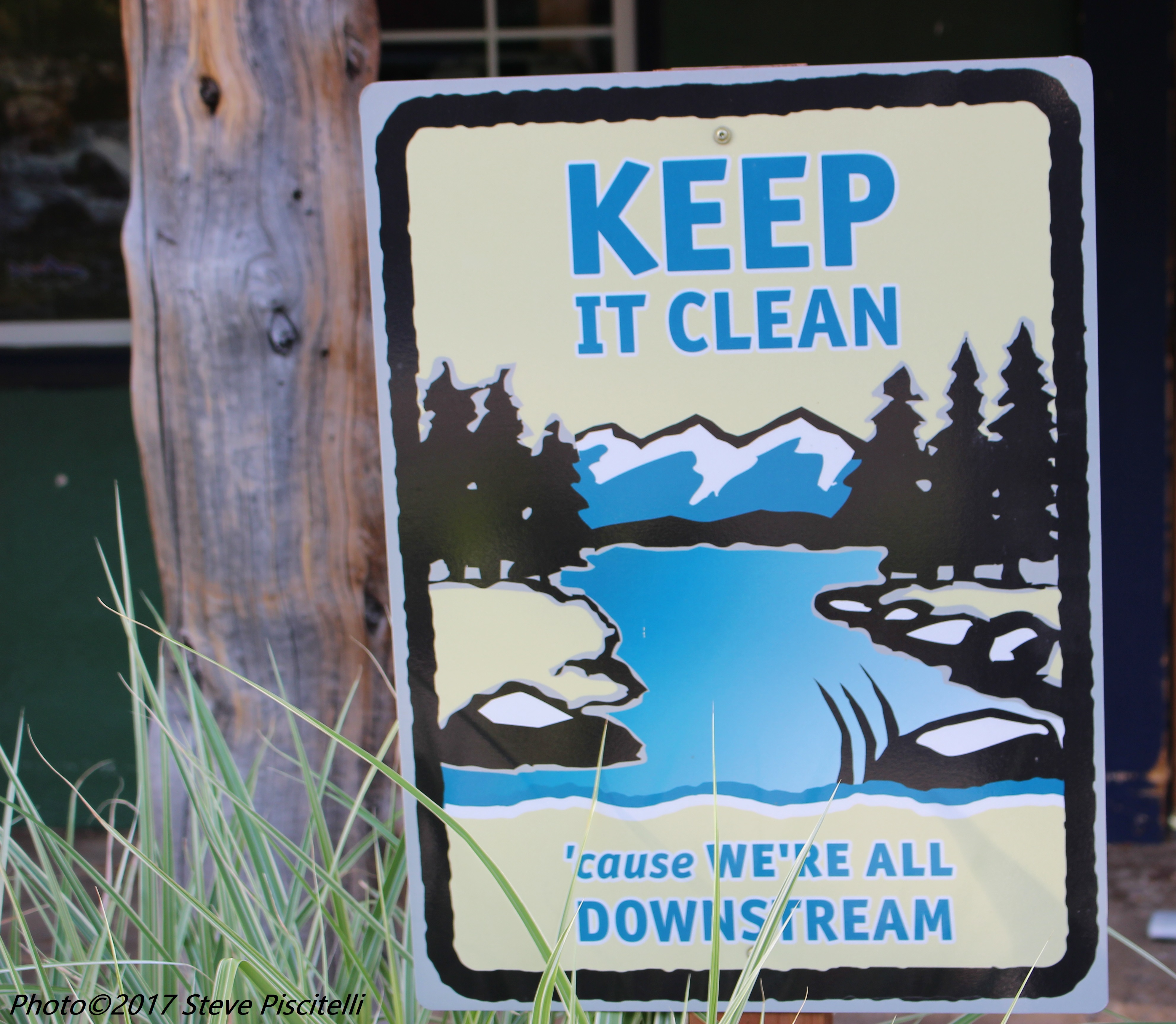
Photo (c) Steve Piscitelli

Noise is in the ear of the beholder.  What is noise to me might be nuggets of gold for you. How do you discern the noise from the gold? How do you tune out the noise and allow in the useful and timely? And, how is that working for you?


Video Recommendation for the Week

What can (and do) you do to “turn your brain into noise canceling headphones”?


Make it a great week and HTRB has needed.

My new book has been released.
eBook ($2.99) Paperback ($9.99). Click here.

Roxie Looks for Purpose Beyond the Biscuit.

Well, actually, my dog Roxie gets top billing on the author page for this work. Without her, there would be no story.
Click here for more information about the book.

In the meantime, check out her blog.

And you can still order:

  • My book, Community as a Safe Place to Land (2019), (print and e-book) is available on More information (including seven free podcast episodes that spotlight the seven core values highlighted in the book) at www.stevepiscitelli.com.
  • Check out my book Stories about Teaching, Learning, and Resilience: No Need to be an Island (2017). It has been adopted for teaching, learning, and coaching purposes. I conducted (September 2019) a half-day workshop for a community college’s new faculty onboarding program using the scenarios in this book. Contact me if you and your team are interested in doing the same. The accompanying videos would serve to stimulate community-building conversations at the beginning of a meeting.

My podcasts can be found at The Growth and Resilience Network®.

You will find more about what I do at www.stevepiscitelli.com.

©2020. Steve Piscitelli
The Growth and Resilience Network®
 

Posted in accountability, awareness, Choice, collective monolgues, Communication, Connection-Disconnection, Grit, happiness, leadership, Life lessons | Tagged , , , | 3 Comments