
~~~~~
As yogis and others have taught, clinging to what was does not minimize the loss.
But it can create blinders to the present moment—what is.
~~~~~
I’ve a lot to learn. Always did. Always will. Perhaps you feel that way. You thought you knew something, but it turns out you didn’t. Or you felt you made “it,” but shortly after, you’ve lost “it.” Or the love you thought would never die has.
Or as Bob Seger sang,
…Wish I didn’t know now what I didn’t know then.
Against the wind, we were running against the wind.
We were young and strong, we were running against the wind….
Reading and digging into the concept of impermanence, I’ve come to understand, appreciate, and embrace the idea that every moment is born from the passing of the previous moment. Once the new moment is born, it leaves us and becomes part of the next moment. And so on. Nothing is permanent. (See Pema Chodron, Thich Nhat Hanh, and Deborah Adele, for instance.)
But while nothing is permanent, we tend to remain attached to the past moment(s). And miss the now because we cling to the then.
For example, last week I had lunch with two long-time friends. In that moment (or, really, a string of moments), we talked, laughed, listened, and shared. It was a wonderful outing. And once we departed, that lunch moment was over. Yes, we can meet again, at the same place, sit at the same table, and have the same menu, but that will be a different moment. No matter how great that was, no matter how much I might cling to the idea that it was the best lunch ever and we need to do this again, it cannot be replicated. Pieces and parts will be similar, but the new moment(s) will create a new memory, a new ending.
Consider the ocean as a metaphor. The waves gather energy as they approach the shore. Then they break and roll toward shore as flat, foamy water. While that makes for a great photo, those waves were gone in that moment. They were impermanent. But did the waves die?
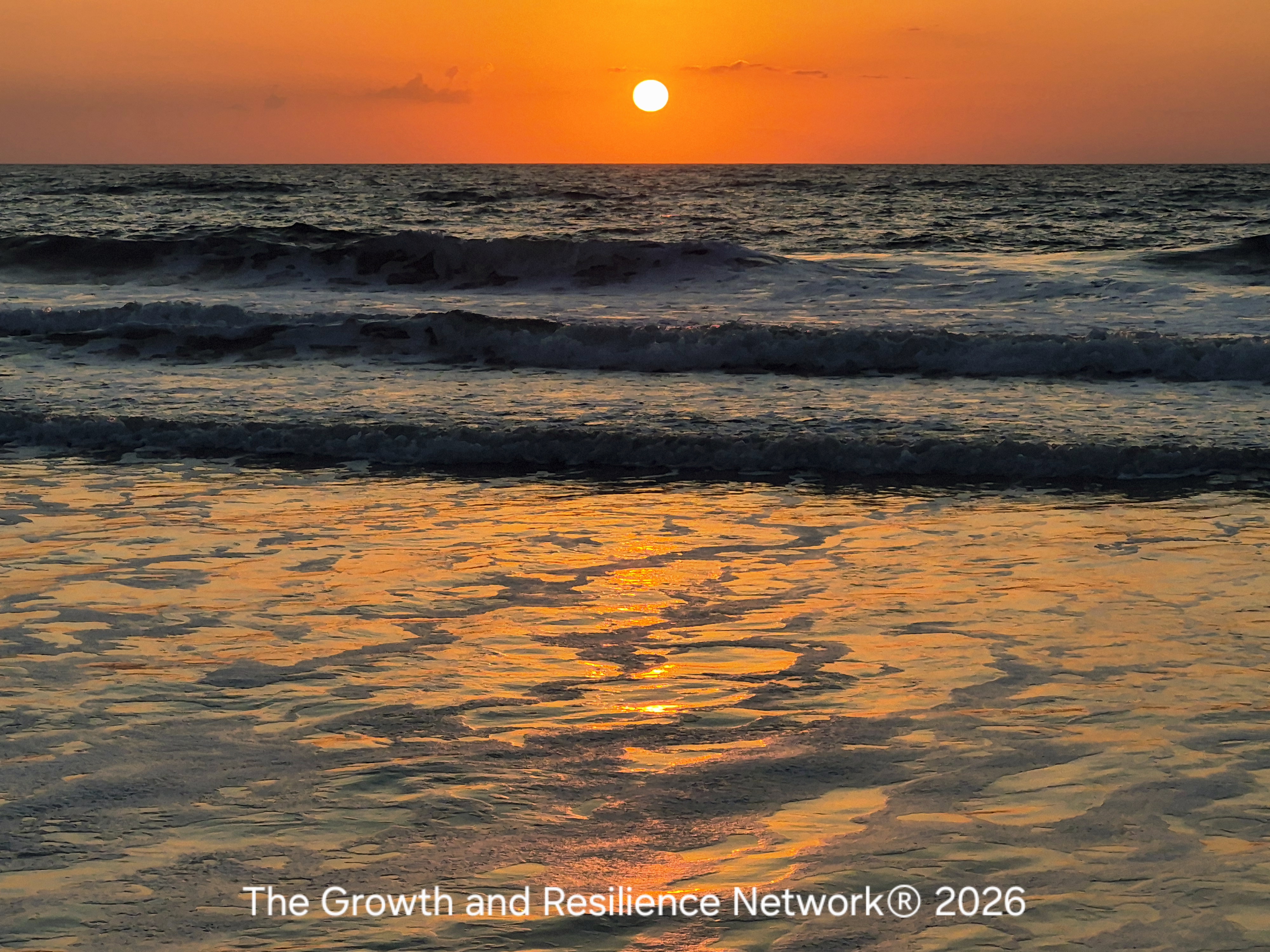
No. The water particles retreated offshore and eventually became part of another set of waves, another moment, which moved toward shore, and…. They were not the same waves as the previous moment, but were they beautiful, majestic, calming, and photo-worthy? Yes. But, again, not the same waves as a few minutes earlier.
This happens with relationships, vacations, dinner parties, concerts, community events, church gatherings, birthdays, careers, and anniversaries. We can cling to the past, but that event, those people, the weather, our physical selves, well, they’ve changed. And they’re gone. Depending on the situation, the loss is difficult to comprehend. We might feel there is no way to move forward. Therefore, we cling to the memories: beautiful reflections, reminiscences, and flashbacks.
This does not minimize the hurt, pain, or suffering of the loss. It doesn’t mean we should not care. But as yogis and others have taught, clinging to what was does not minimize the loss. And it does not change the past, but it can create blinders to the present moment—what is. Like the new ocean wave. It is not the past wave, but it is the moment.
A difficult concept for many of us to grasp. Can we remember, yet not cling? Move forward rather than backward against the wind?
I know I have a lot to learn to be more present with what is, as I appreciate, respect, and honor what was.
~~~~~
You will find more about me at www.stevepiscitelli.com.
And you can still order:
My first novel, The Voice in Your Ear, was released on September 17, 2024. You can order the book (e-book or print copy) here. If you’d like to hear the song I wrote and recorded as the soundtrack for the book, click here. (P.S. Thank you for taking a chance on a “first-time” novelist.)
Sharing Wisdom Across the Ages: From Elementary School to Retirement (eBook and paperback versions) was released on January 1, 2023. Click here for more information.
Roxie Looks for Purpose Beyond the Biscuit (2020) is available in eBook and paperback formats. Click here.
Community as a Safe Place to Land (2019, print and e-book) is available on Amazon. The above link provides more information (including seven free podcast episodes spotlighting the book’s seven core values).
Stories about Teaching: No Need to be an Island (2017, print and e-book). Available on Amazon. One college’s new faculty onboarding program used the scenarios in this book. Contact me if you and your team are interested in doing the same. The accompanying videos could stimulate community-building conversations at the beginning of a meeting.
©2026. Steve Piscitelli
The Growth and Resilience Network®
Atlantic Beach, Florida

 The Growth and Resilience Network®